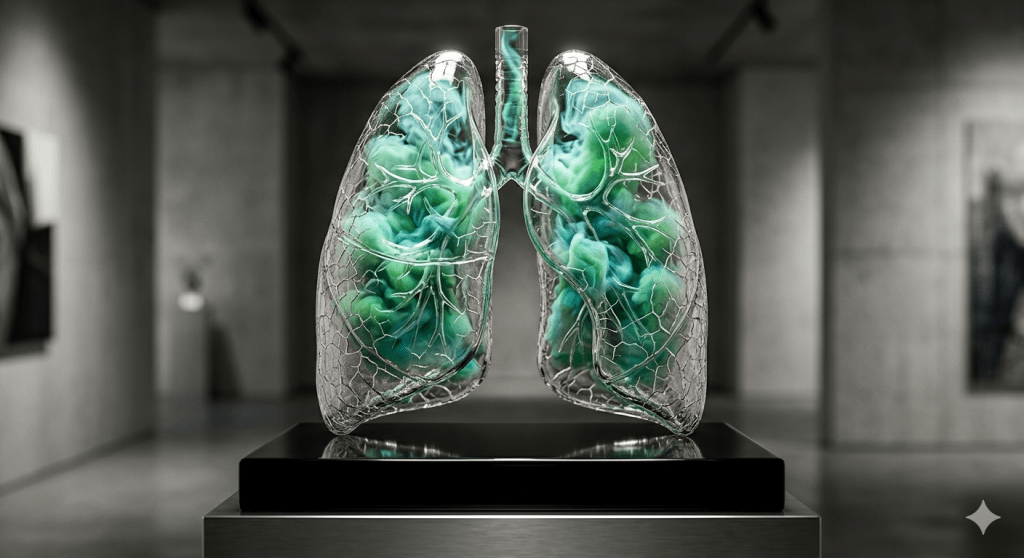
In the sprawling megalopolis of Sector 7, the firmament was no longer a void but a dense, suffocating medium—a bruised tapestry of plum and charcoal. Towering industrial monoliths exhaled rhythmic plumes of sulfurous effluent, casting a permanent twilight over the subterranean streets. Jace, a denizen of the lower tiers, adjusted the seals on his respirator, though he knew the filtration membranes were becoming increasingly porous against the microscopic onslaught.
Lately, a pervasive malaise had settled over the population, a phantom infirmity that mimicked the onset of a viral pathogen. Jace and his compatriots suffered from chronic respiratory distress and systemic fatigue. This was not a biological contagion, but a physiological reaction to particulate matter.
The air, saturated with chemical irritants and heavy metals, acted as a constant abrasive against the delicate mucosal linings of the upper respiratory tract. To combat this foreign intrusion, the body’s immune system initiated a hyper-secretory response. This resulted in a persistent post-nasal drip, where excess mucus—laden with trapped pollutants—continuously drained into the oropharynx. The result was a debilitating cycle of throat inflammation, non-productive coughing, and sinus pressure that mirrored the symptoms of influenza, yet offered no hope of a recovery through traditional antibodies.
The Pathophysiology of Environmental Irritation
The intersection of industrial pollution and human biology creates a unique symptomatic profile often confused with seasonal illness.
* Particulate Inhalation: Microscopic solids (PM2.5) bypass the primary defenses of the cilia, embedding themselves in the tissue.
* The Mucus Hyper-Response: The body attempts to “flush” these particulates, leading to rhinorrhea and subsequent post-nasal drip.
* Cytokine Release: The presence of toxins triggers an inflammatory cascade. This localized inflammation can lead to systemic symptoms like myalgia (muscle aches) and lethargy, traditional hallmarks of the flu.
* Secondary Irritation: The chronic drainage of acidic, pollutant-heavy mucus into the throat causes secondary pharyngitis, perpetuating the sensation of illness.
Created by Gemini AI
 Sacred Lotus Glass