
“The history of women’s dresses is a fascinating journey through time and culture, reflecting changing social norms, technological advancements, and artistic movements. Here’s a glimpse into different eras:
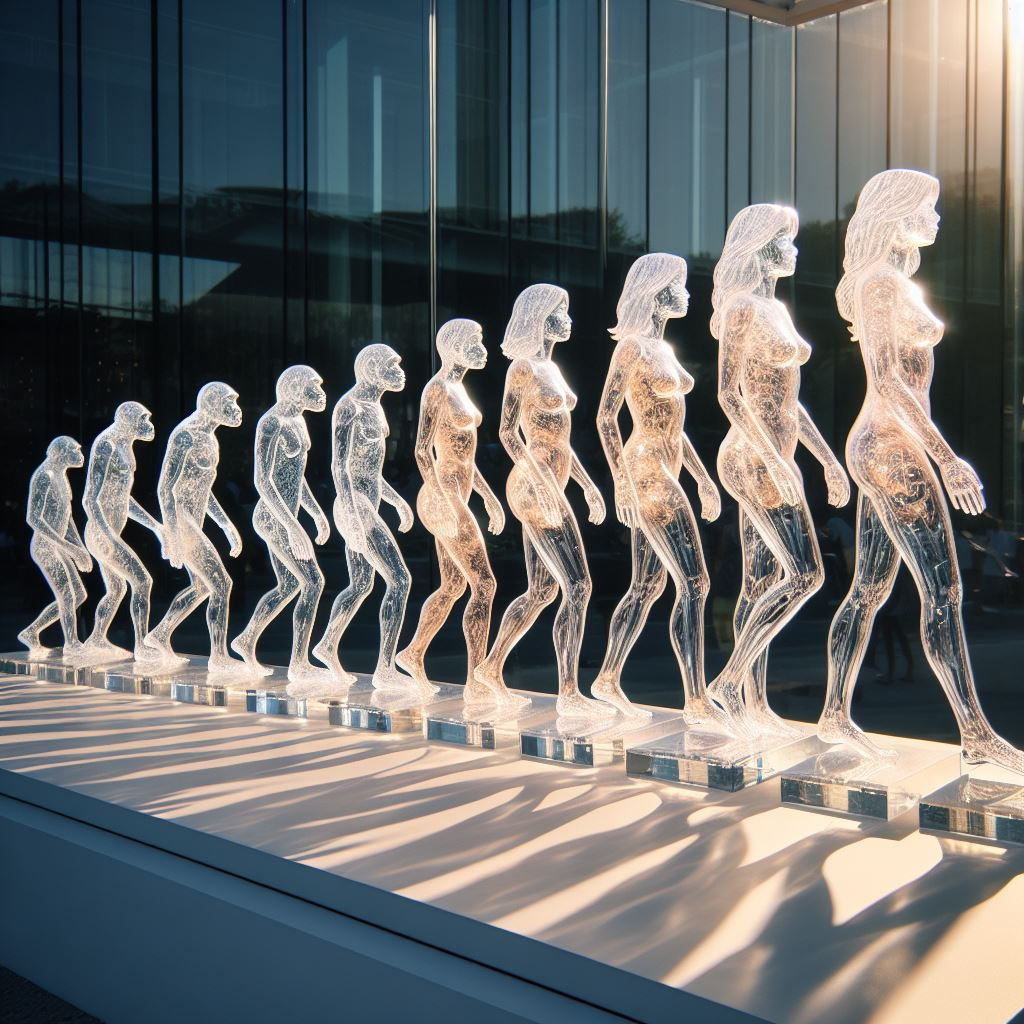
Ancient World (3000 BC – 400 AD):
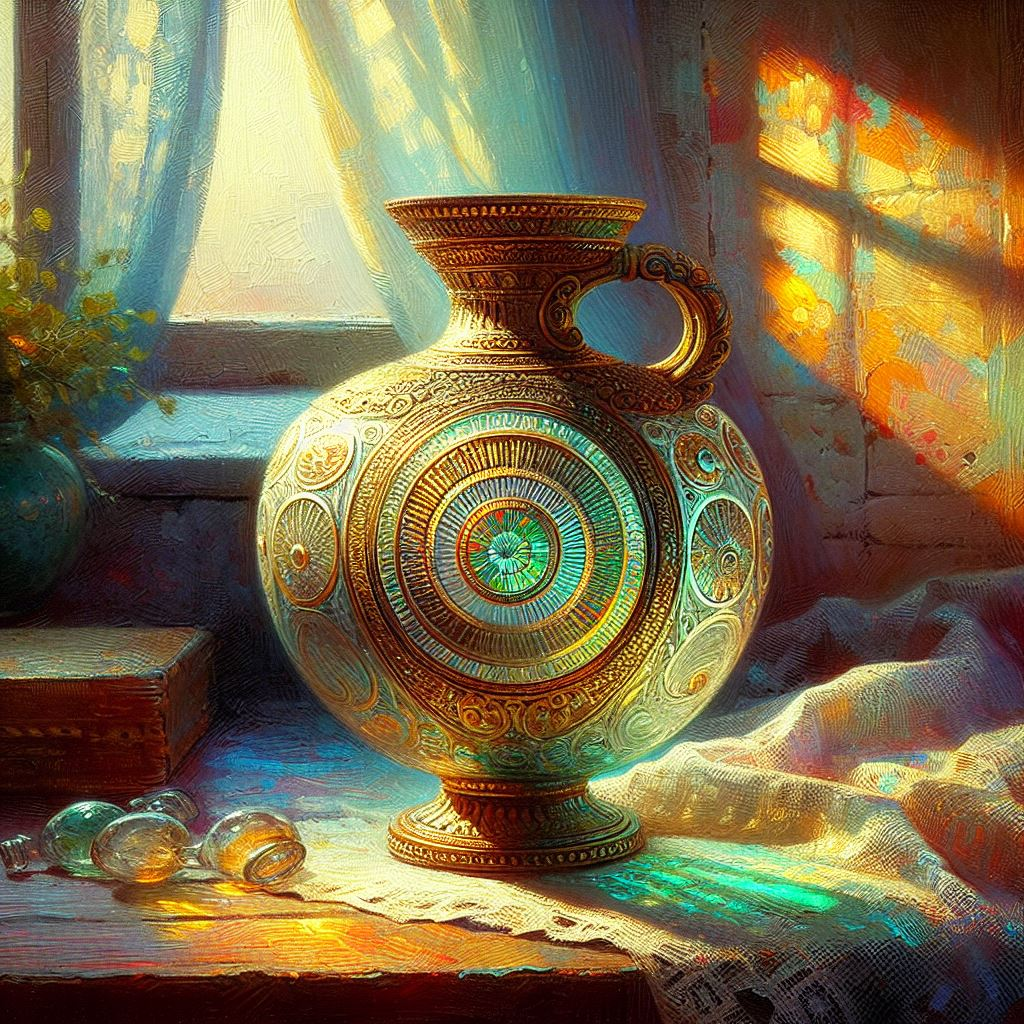
Early garments were draped or wrapped, made from materials like linen and wool.
Mesopotamian and Egyptian styles involved long, loose robes often adorned with jewelry and sashes.
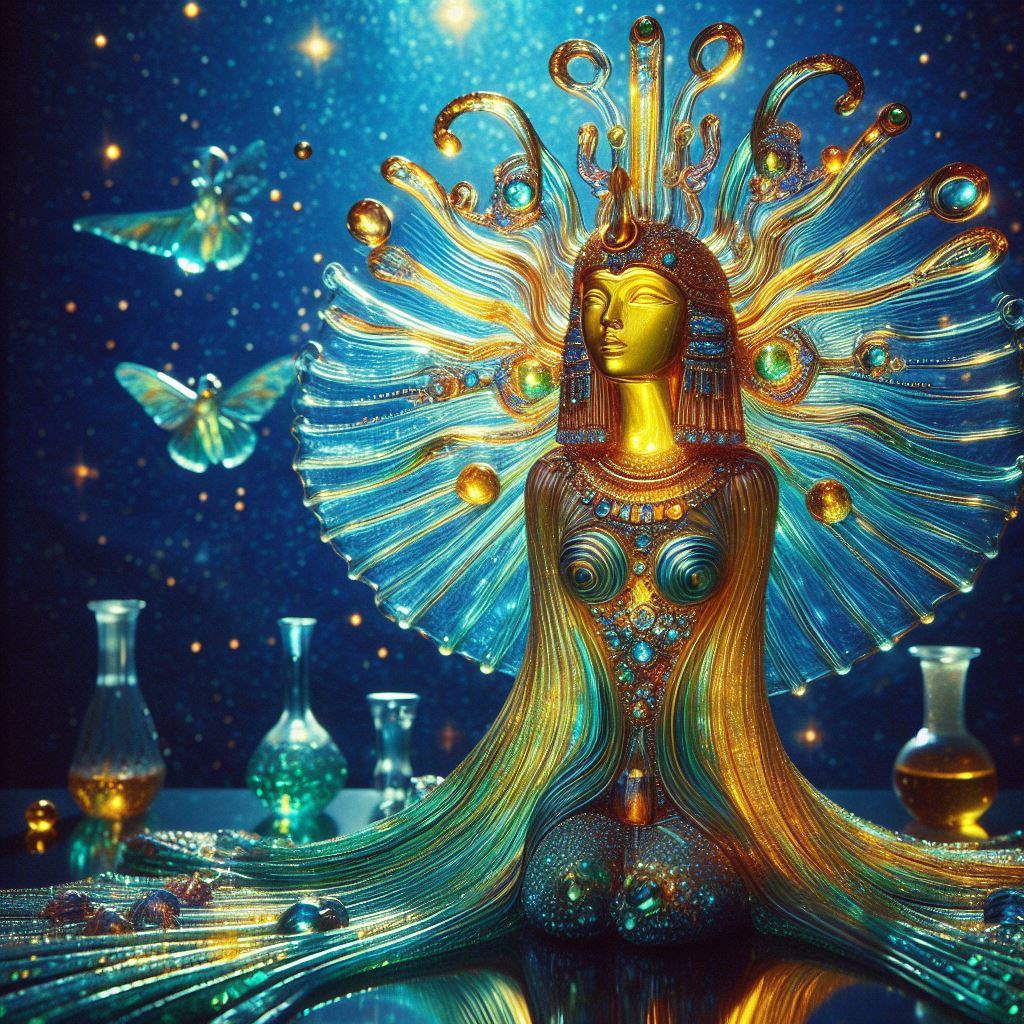
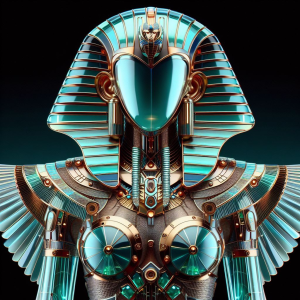
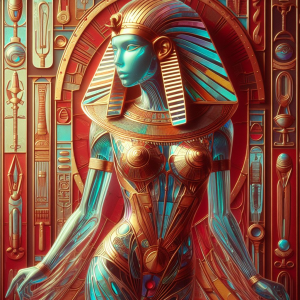
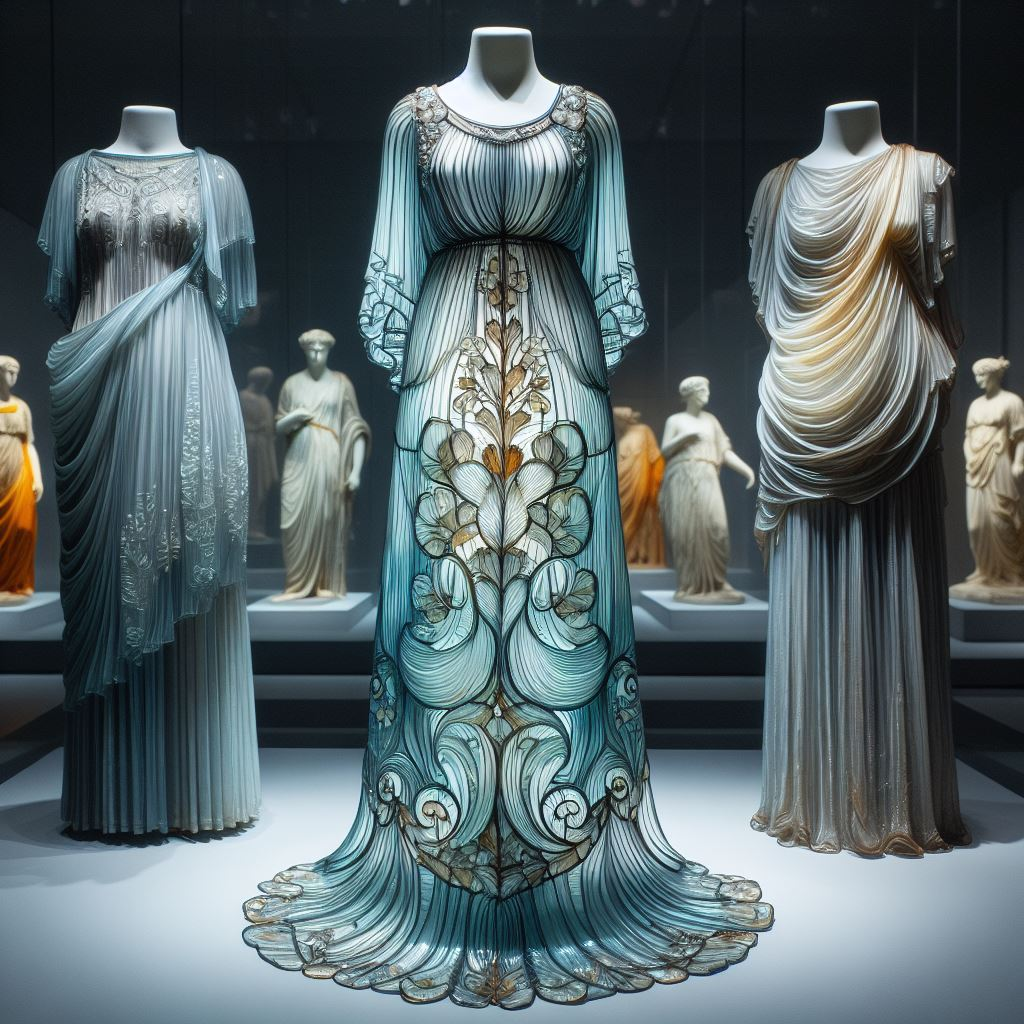
Greek and Roman dresses featured tunics and draped styles, varying in length and layering.
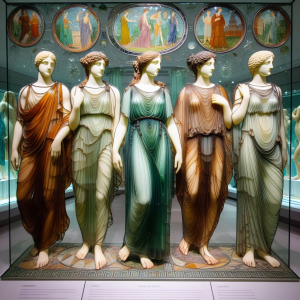
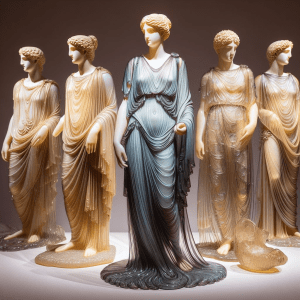
Medieval Era (400 AD – 1450 AD):
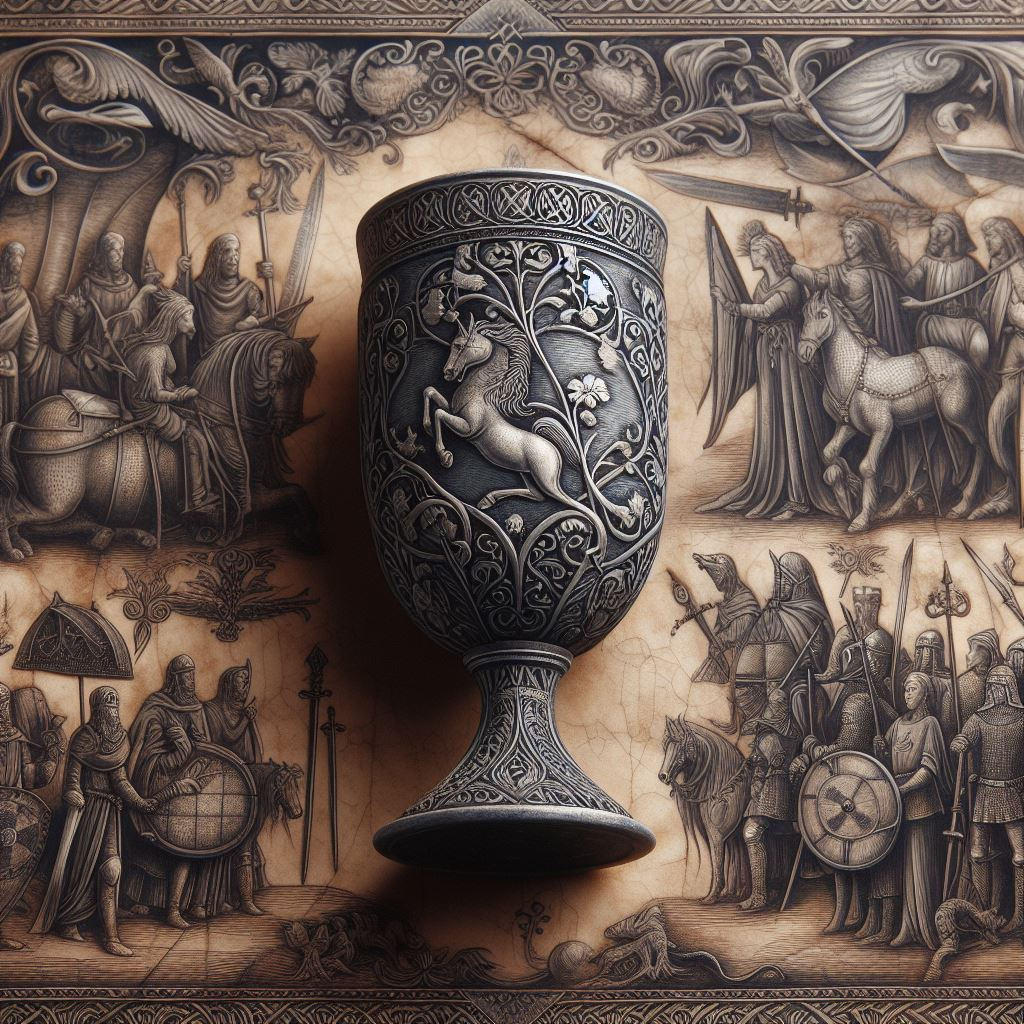
Dresses became more structured, with separate bodices and skirts.
Upper-class European women wore kirtles, gowns, and various undergarments like stays and smocks.
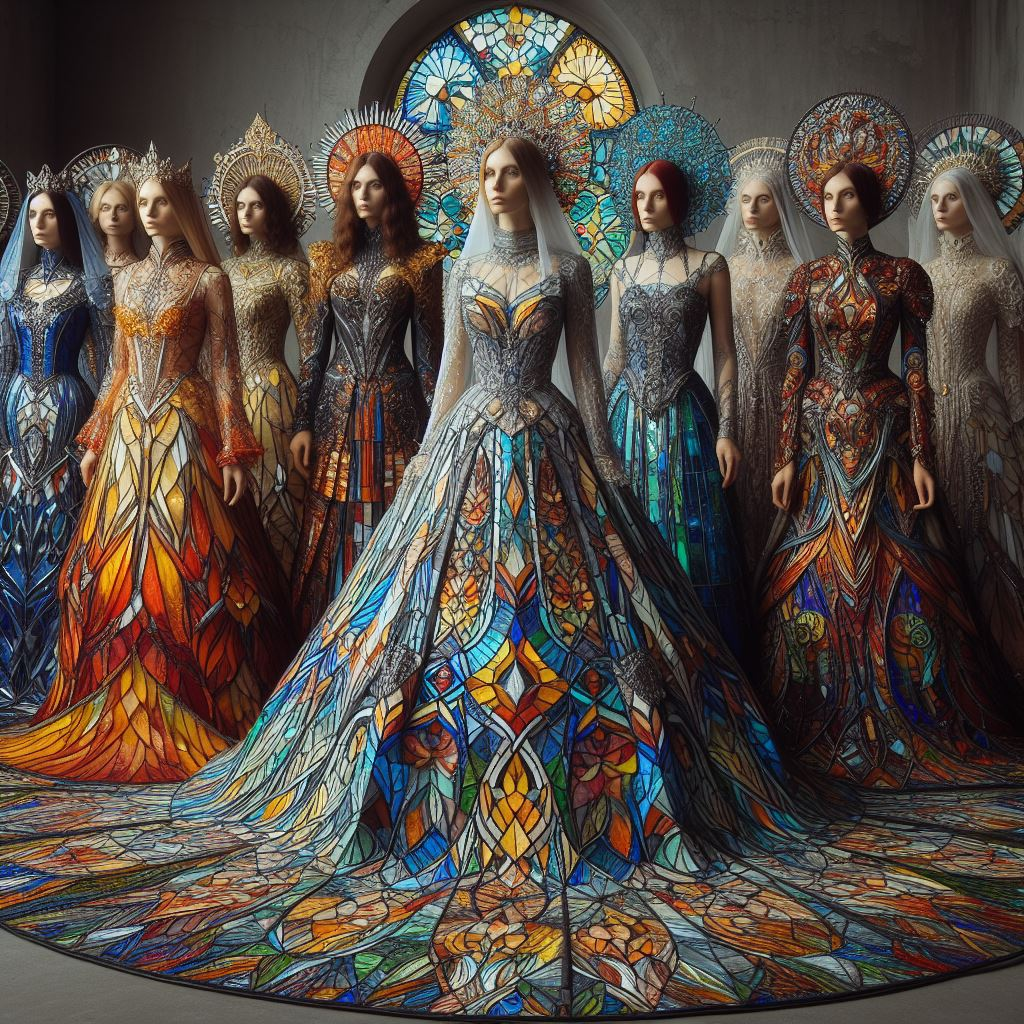
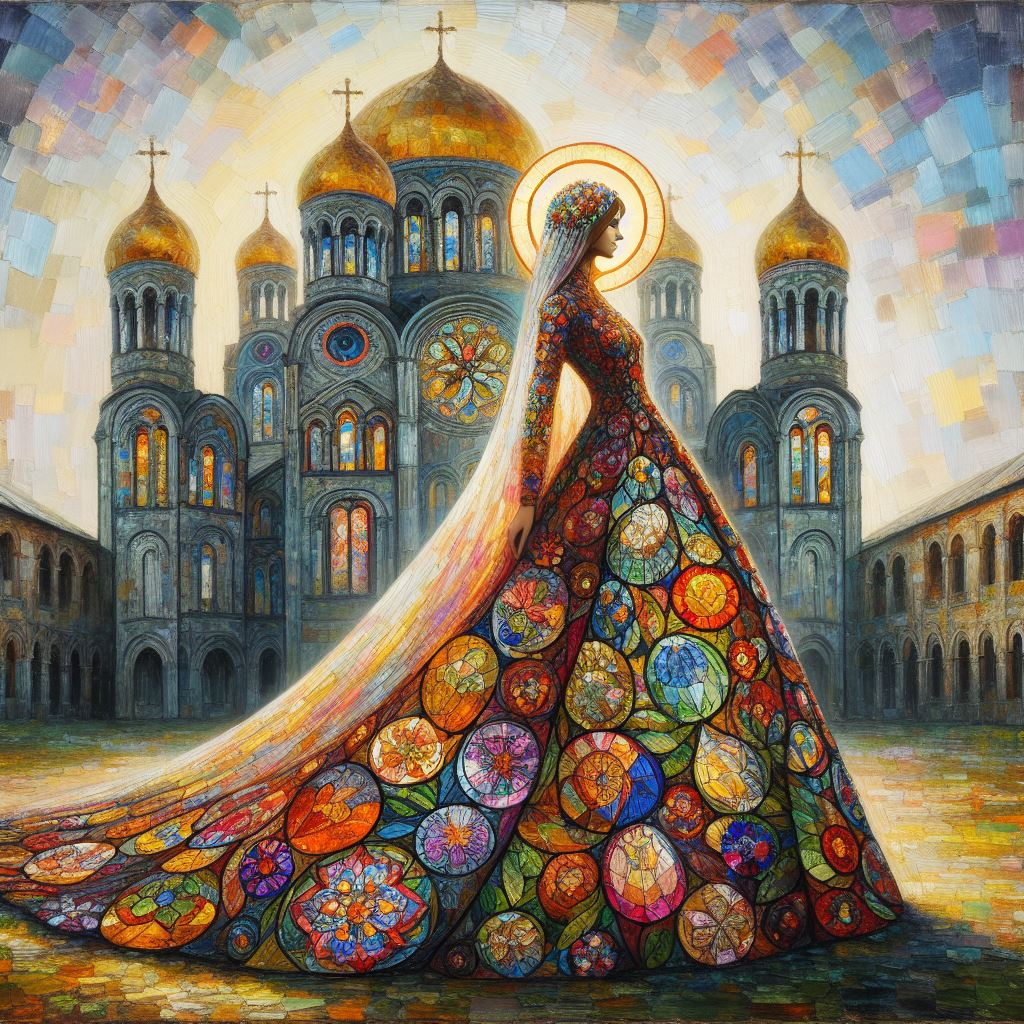
Byzantine dresses featured rich fabrics and embroidery, while Islamic cultures had flowing silhouettes with veils.
Renaissance (1450 AD – 1600 AD):
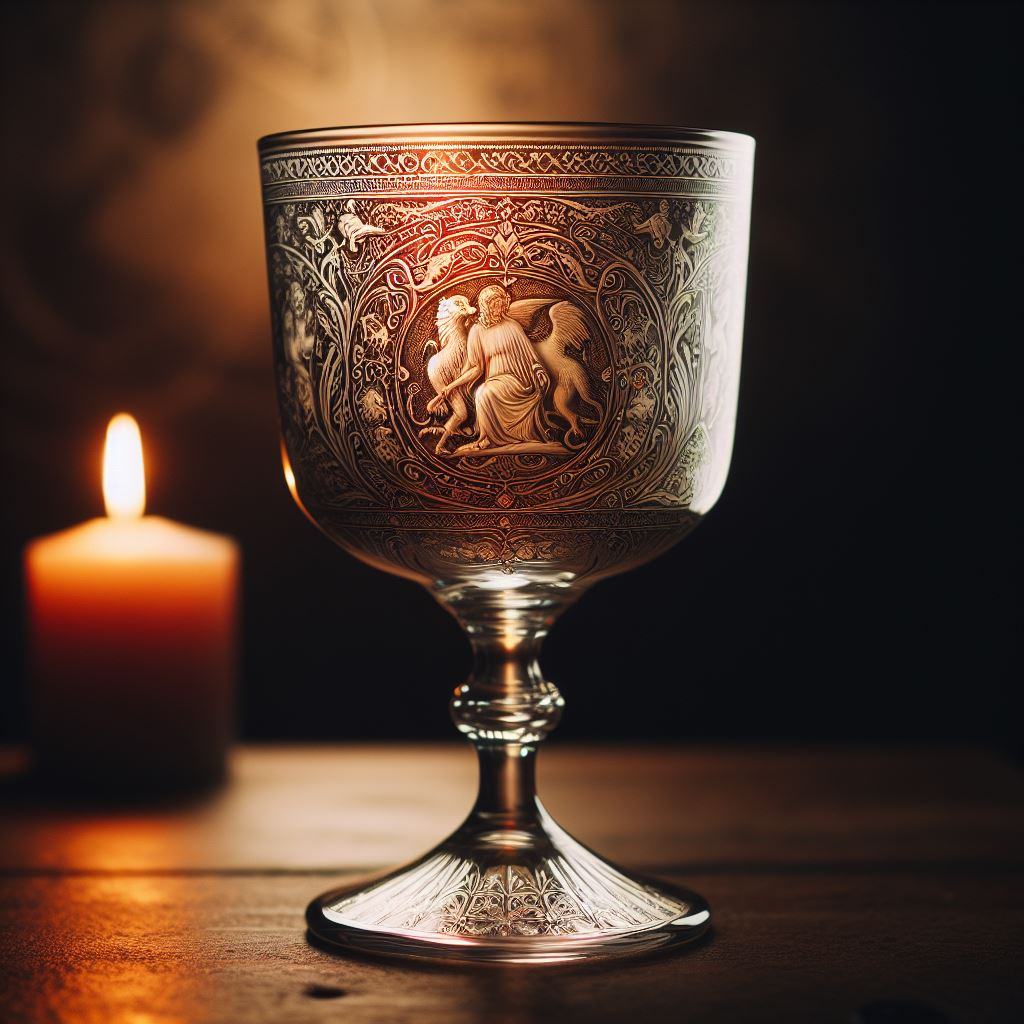
A focus on opulence and elegance emerged.
Dresses had fitted bodices, flowing skirts, and elaborate sleeves.
Collars, ruffs, and embroidery became popular decorative elements.
Notable styles include the Italian “gamurra” and the Spanish “gowns with vertugales” (hoop skirts).
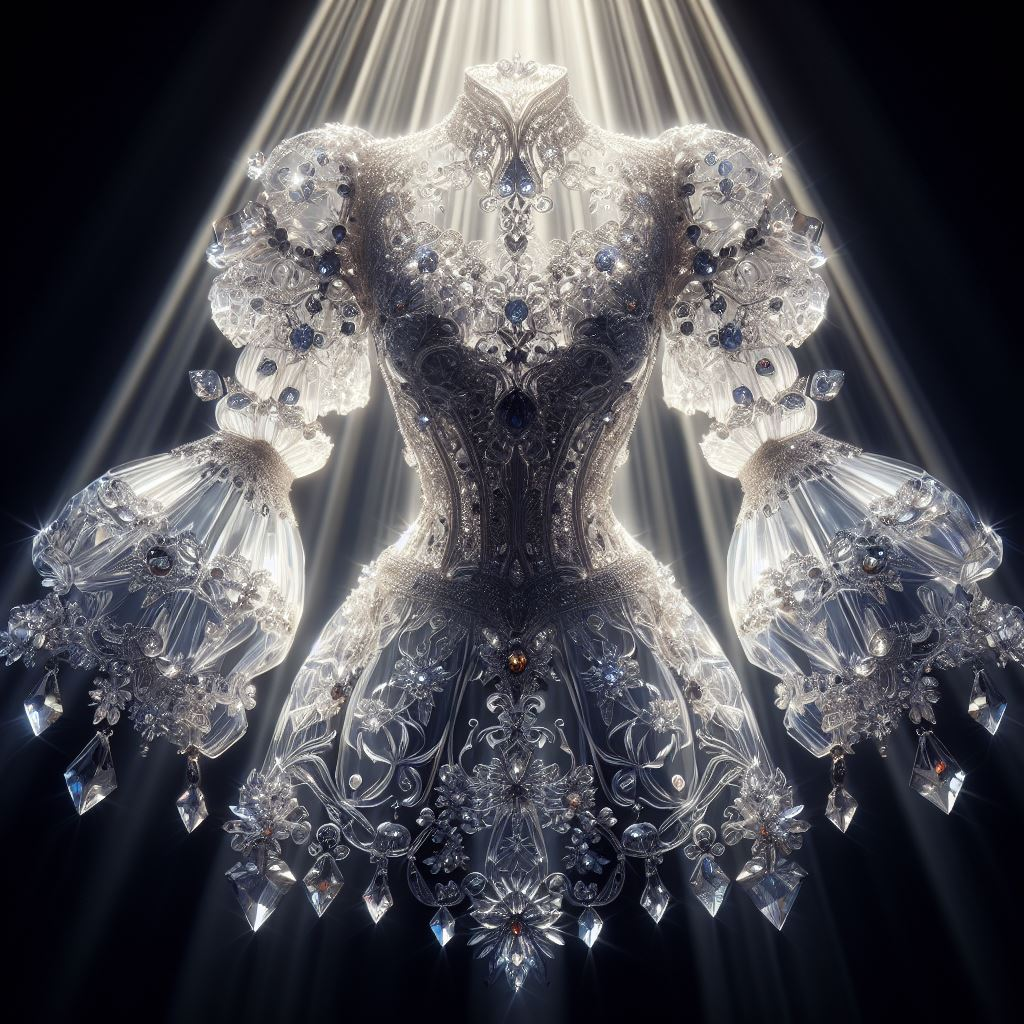
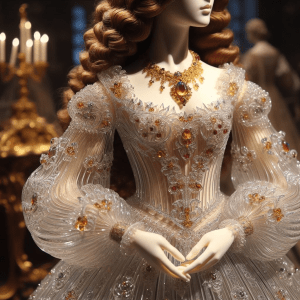
17th & 18th Centuries:
Silhouette shifted to a more narrow and elongated form.
Corsets were widely used to cinch the waist and create an hourglass figure.
French fashion houses gained prominence, dictating trends like the “mantua” and the “robe à la française.”
Towards the 18th century, looser, neoclassical styles like the “chemise à la reine” emerged.
19th Century:
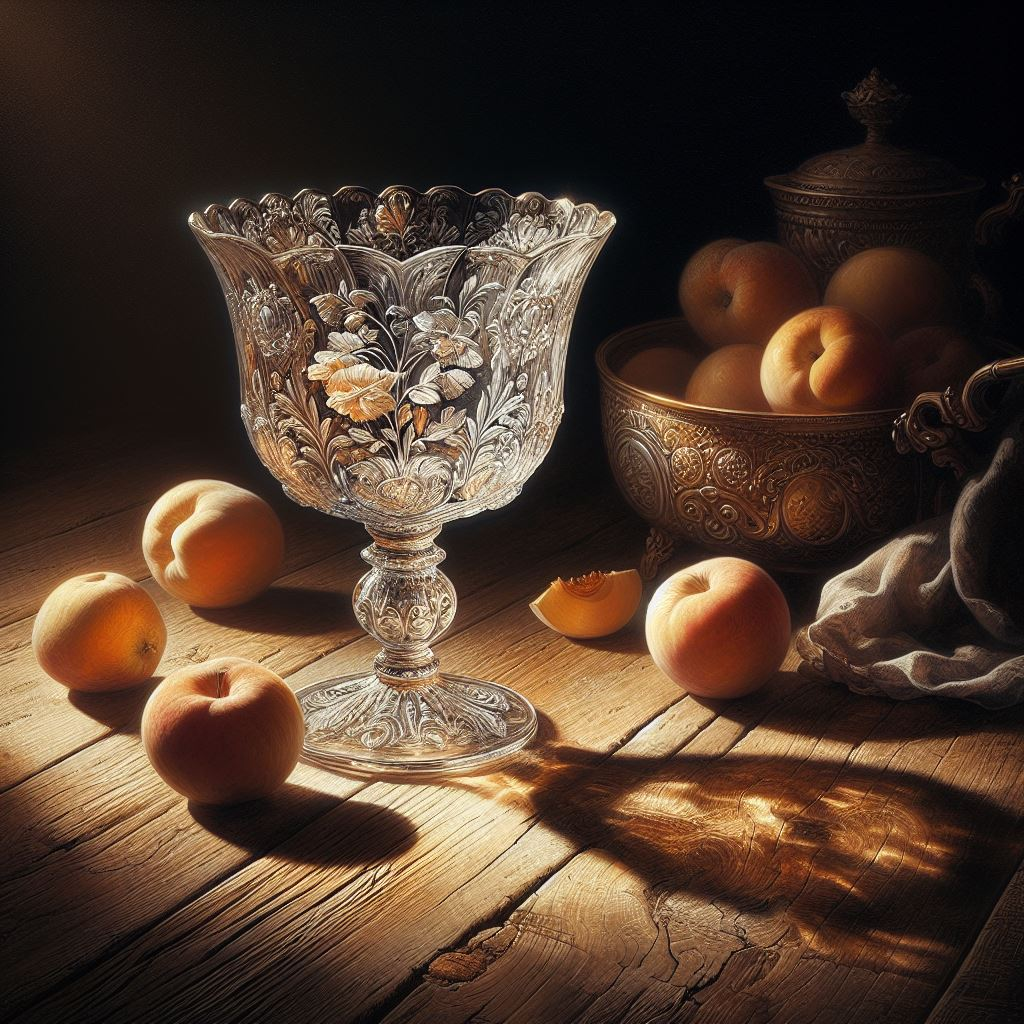
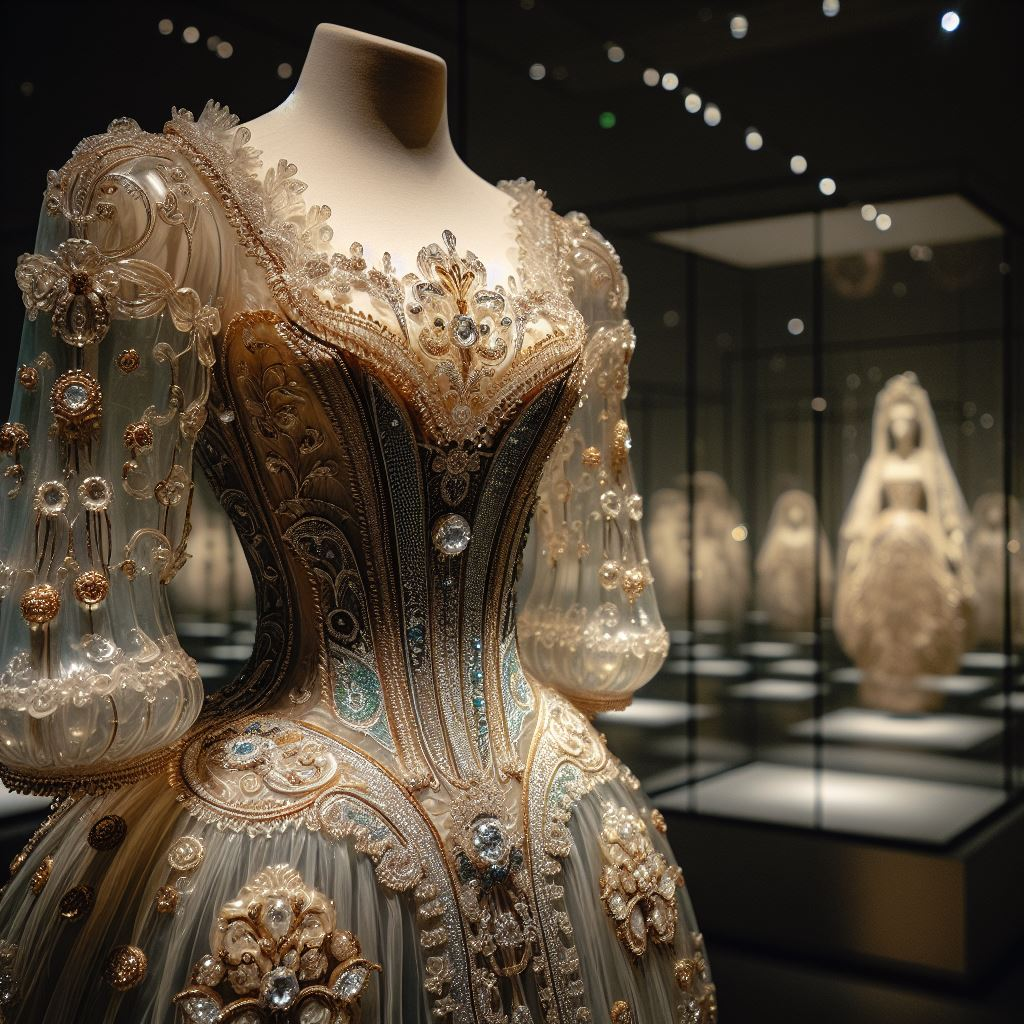
The Victorian era saw a return to more conservative silhouettes with emphasis on propriety.
Dresses featured high waists, full skirts, and layers of petticoats.
Bustles and bust pads were used to create exaggerated shapes.
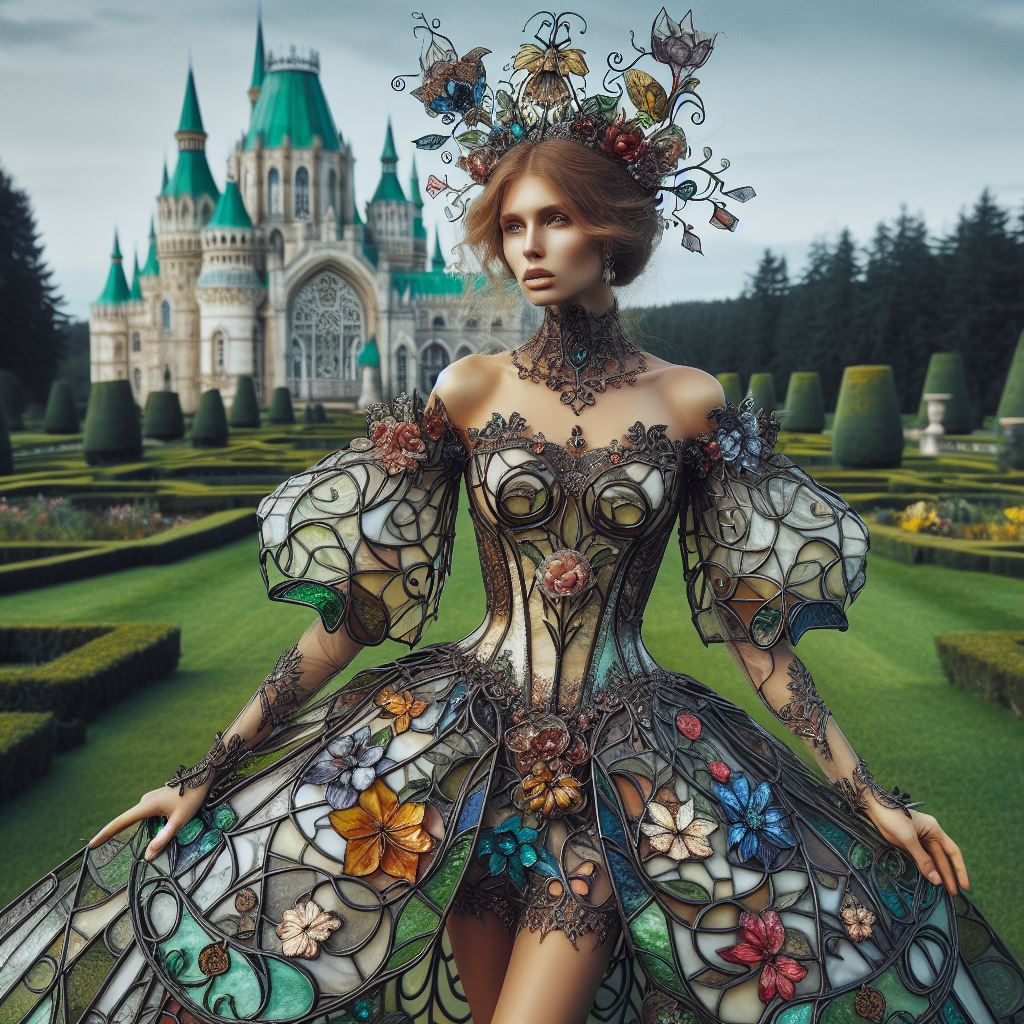
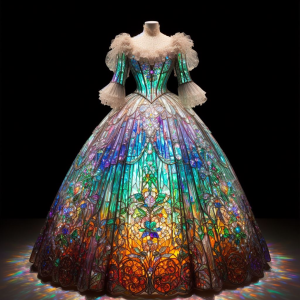
By the late 19th century, day dresses became more practical, while evening gowns remained elaborate.
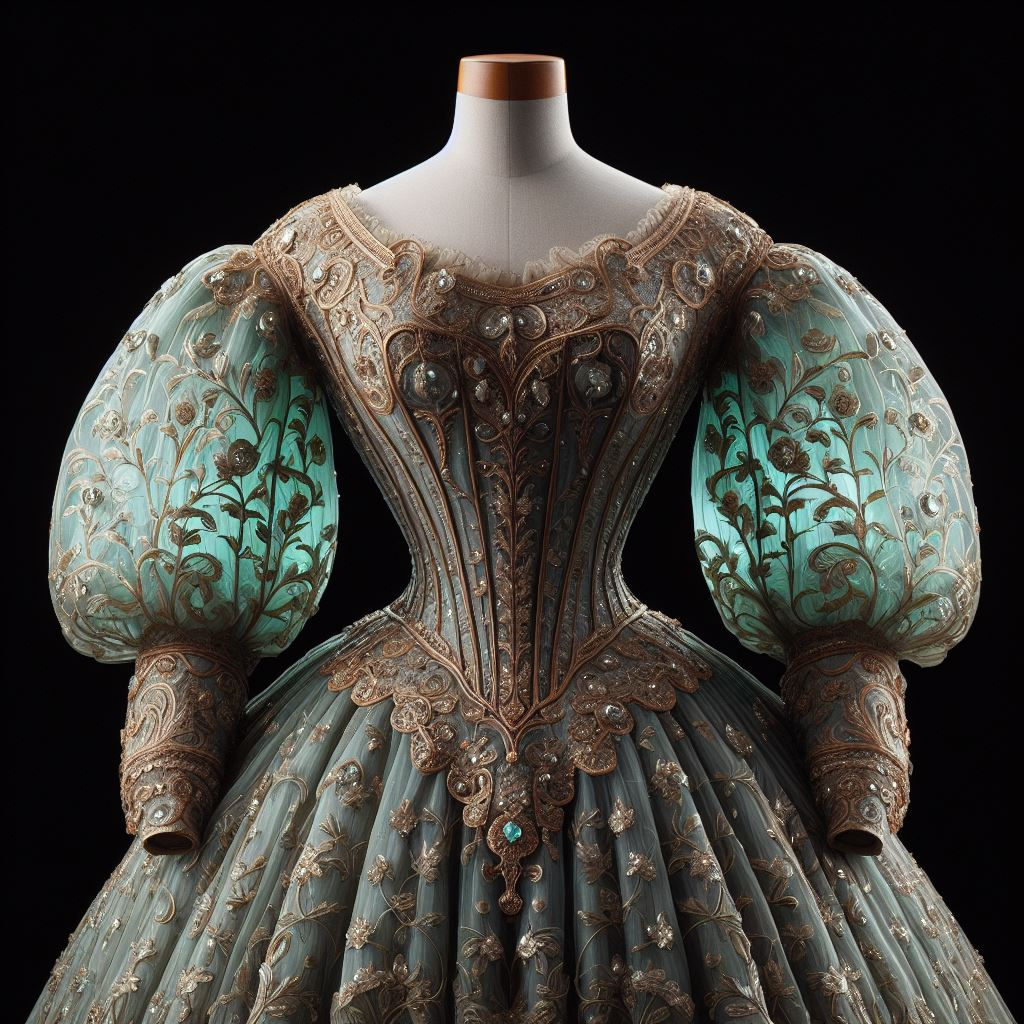
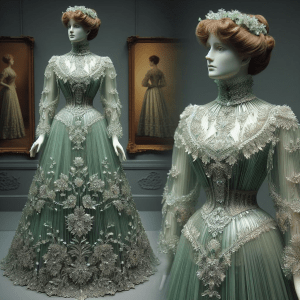
20th & 21st Centuries:
The 20th century saw dramatic shifts in fashion due to social and political movements.
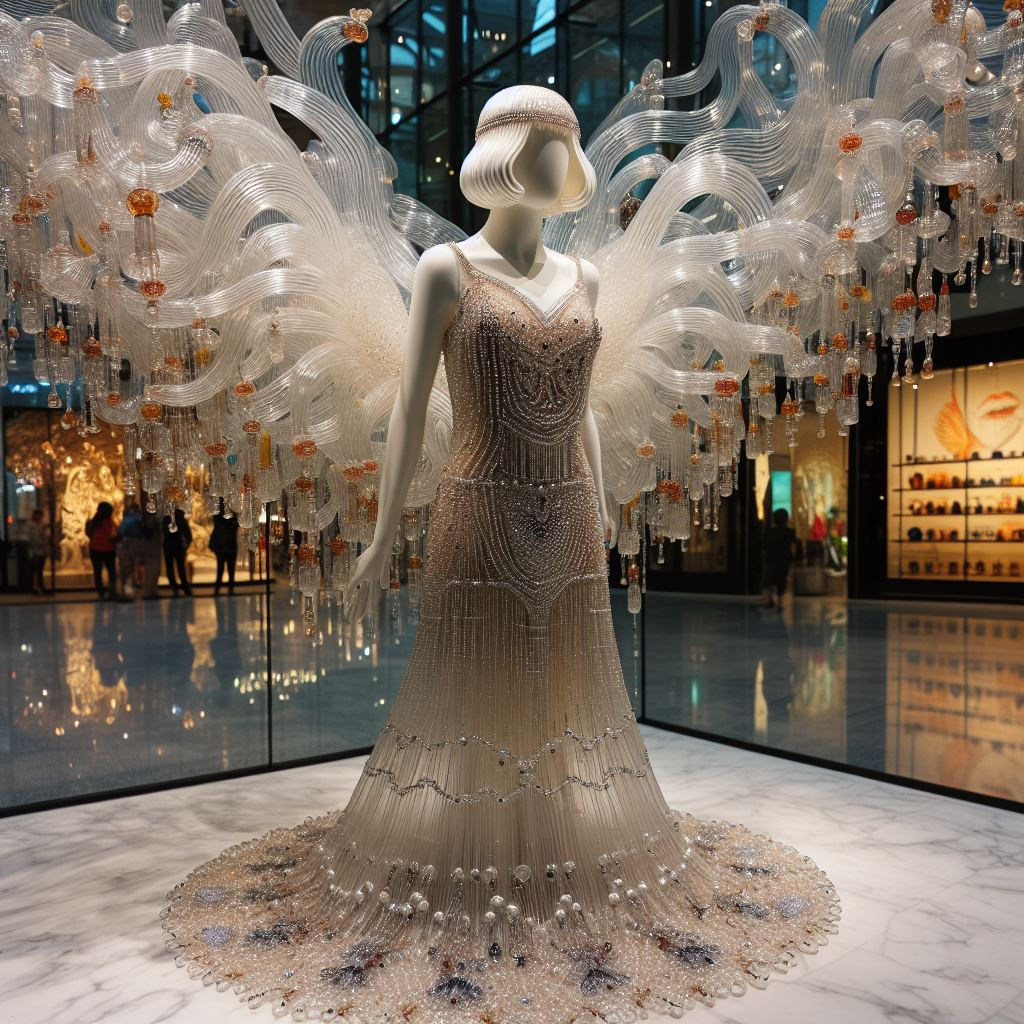
The early 20th century brought the flapper dress, symbolizing a rejection of corsetry and embracing a looser, more active lifestyle.
World War I and II saw practical styles emerge, followed by the iconic “New Look” by Dior in the 1950s.
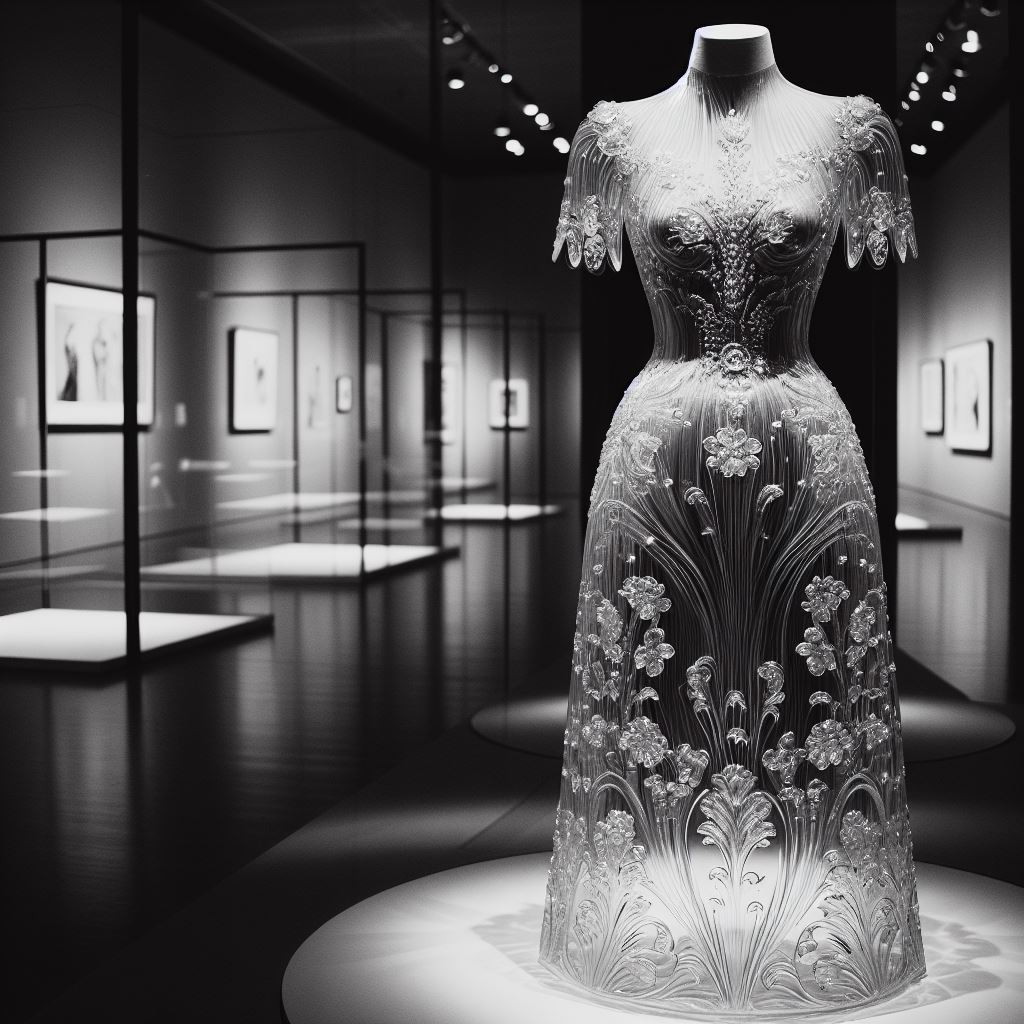
The 1960s and 70s embraced individuality and experimentation with diverse styles like miniskirts, maxis, and pantsuits.
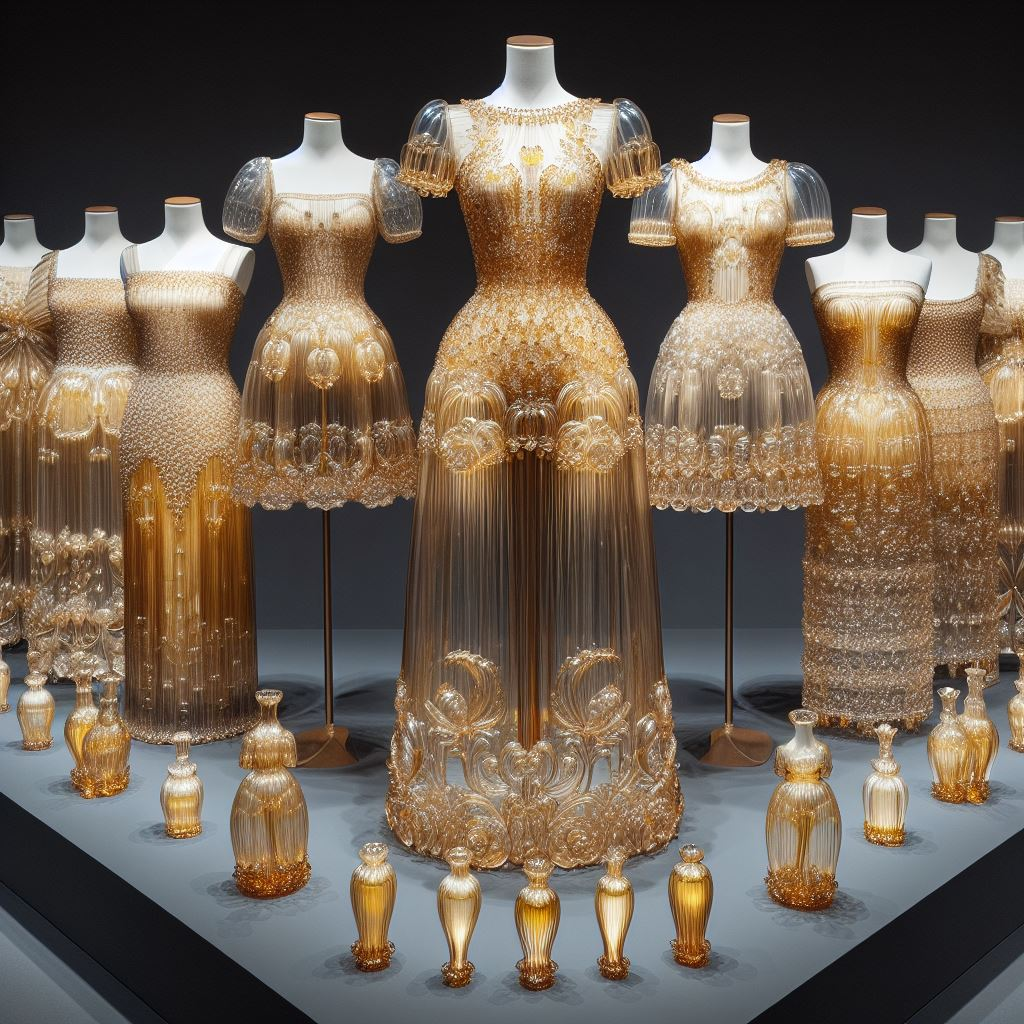
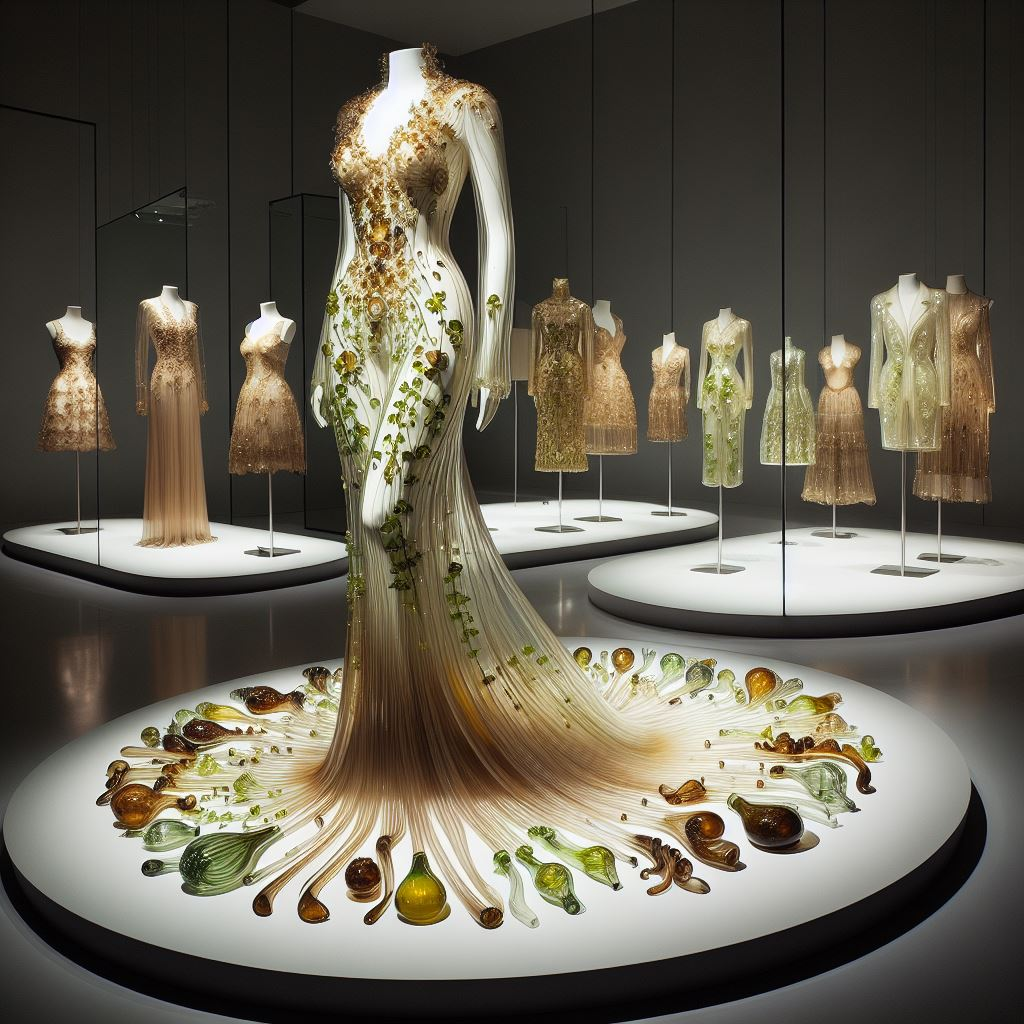
Today, dress styles are diverse and influenced by global trends, sustainability, and self-expression.
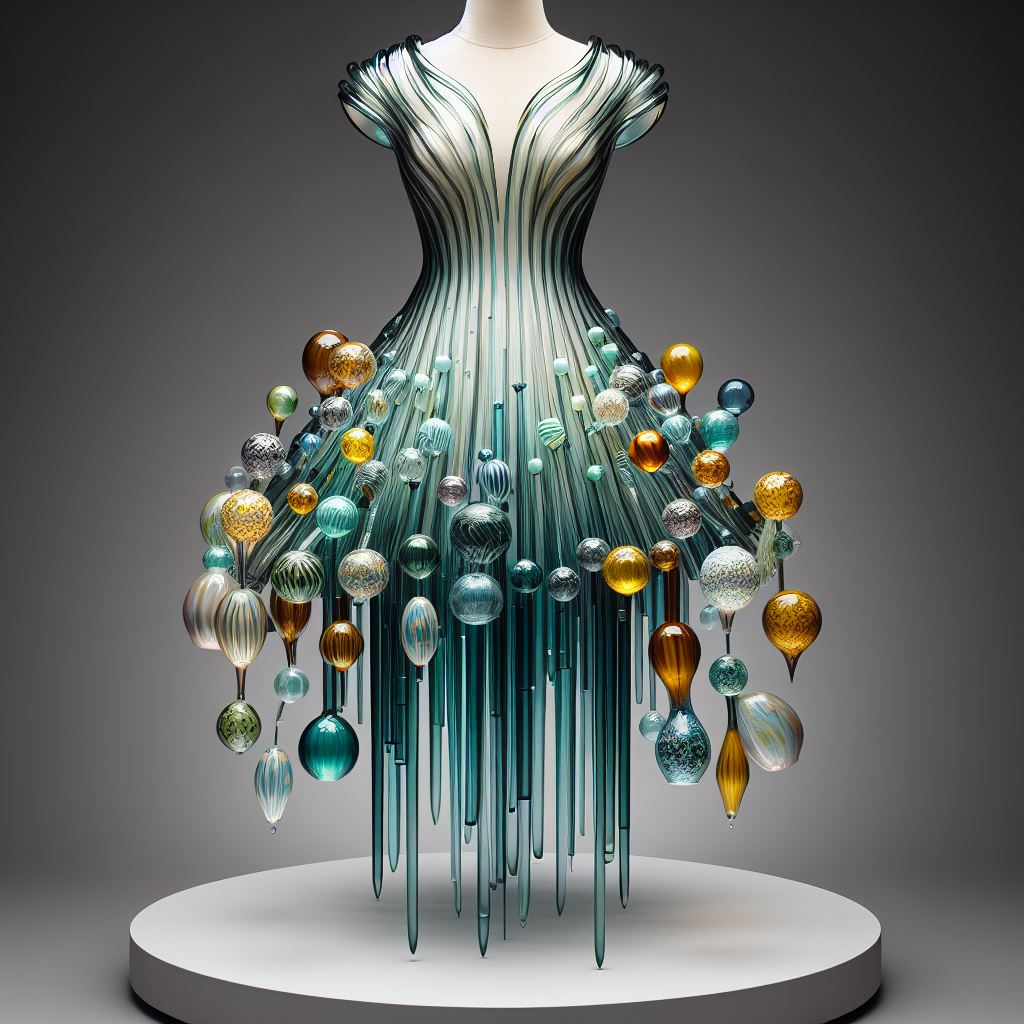
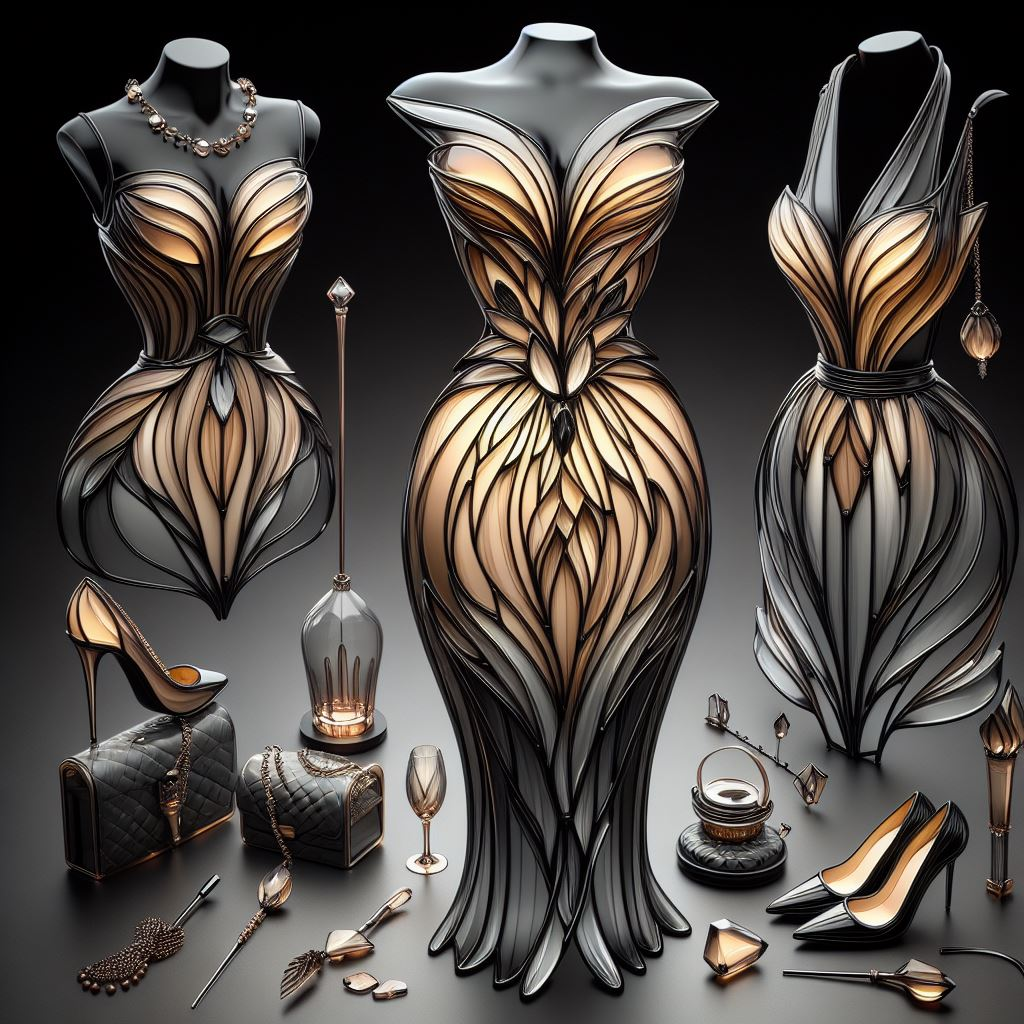
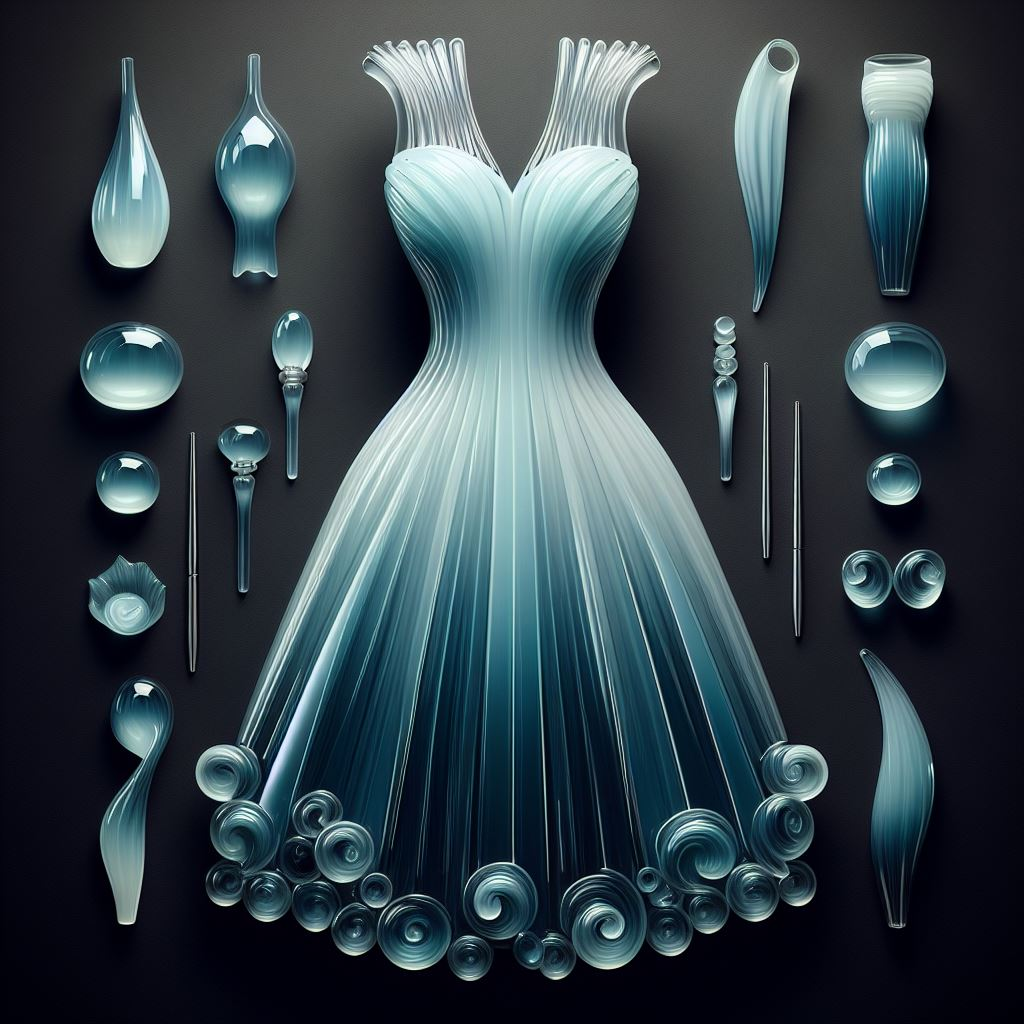
*Some information in this blog post was generated by Bard, a large language model created by Google AI. The images were created by Microsoft Designer.
Created by Melissa Stone
 Sacred Lotus Glass